Priming is an important stage in achieving a flawless, long‑lasting finish. It creates a stable foundation, ensures colour consistency across the entire property, and allows premium paints to perform exactly as intended.
Creating a Smooth, Even Foundation Across the Whole Home
A full‑property redecoration involves a wide variety of surfaces — walls, ceilings, woodwork, repaired areas and older finishes. Each absorbs paint differently, and without proper preparation, those inconsistencies show through the final result.
Priming resolves this by:
- Smoothing variations in texture
- Balancing absorbency across mixed materials
- Allowing repaired areas to blend seamlessly
- Ensuring the topcoat sits evenly and consistently throughout the home
This is essential when delivering a complete redecoration, where every room must feel connected, intentional and finished to the same standard.
Trusted by homeowners across Bath and surrounding villages
Improving Adhesion for Long‑Term Durability
A full‑property redecoration is a significant investment, and longevity is a core part of the value I deliver. Primer creates a surface that paint can bond to securely, dramatically improving durability and resistance to wear.
A properly primed surface:
- Reduces the risk of peeling or flaking
- Helps the finish withstand everyday use
- Ensures the paint performs as intended over time
This is especially important when transitioning between different surface types — for example, from glossy woodwork to a matte painted finish. Without primer, the topcoat simply cannot grip with the strength required for a long‑lasting result.
Blocking Stains and Preventing Discolouration
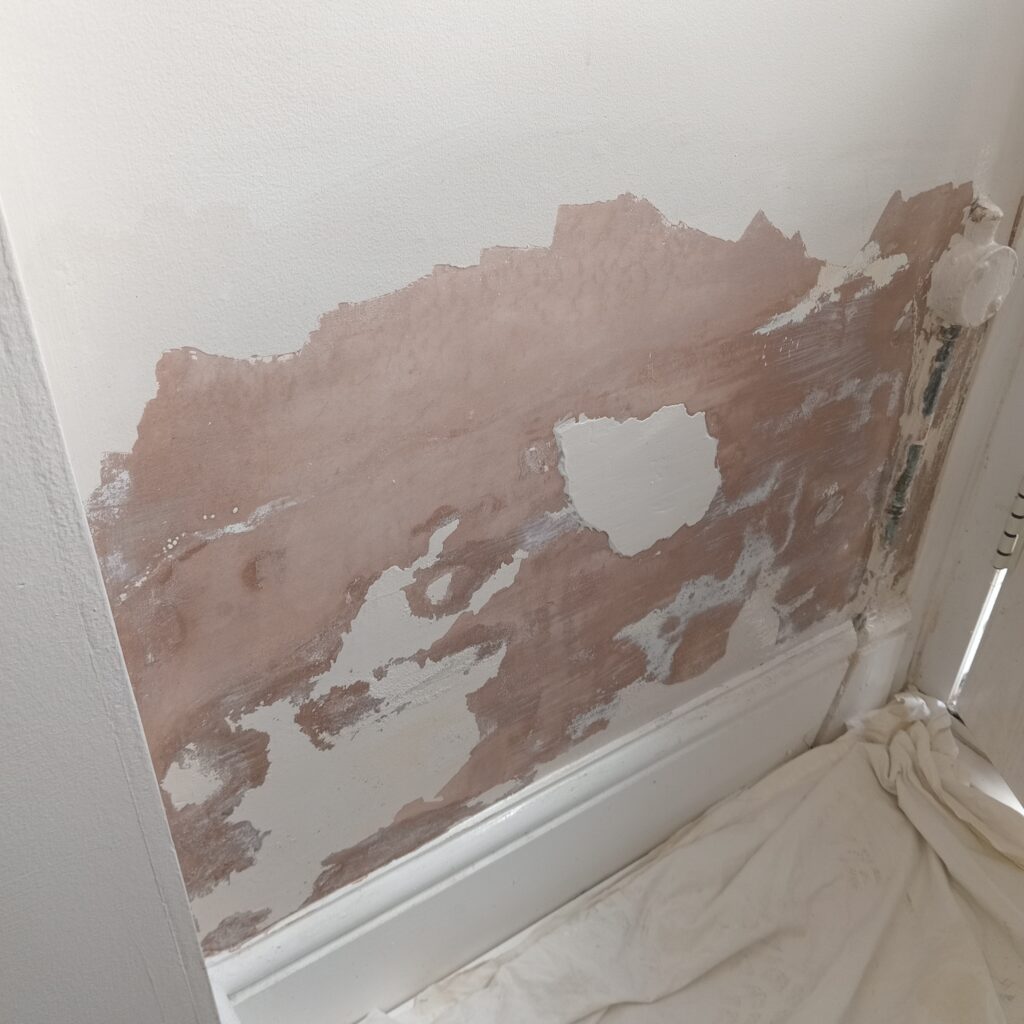
Many of the properties I work in have history — water marks, smoke residue, old repairs or previous treatments that can bleed through even the highest‑quality paint.
Primer prevents this by:
- Blocking stains
- Sealing in discolouration
- Creating a clean, neutral base for the new finish
This ensures the final colour remains crisp, fresh and uninterrupted across the entire property.
Enhancing Colour Depth and Coverage
Premium paints deliver their best results only when applied over a properly prepared surface. Primer allows the topcoat to build depth and richness more effectively, resulting in:
- Truer, more accurate colour
- Better coverage
- Fewer coats required
- A more refined, consistent finish across the home
This consistency is essential when redecorating full properties, where every room must feel part of a single, cohesive transformation.
A Core Part of the Paintr® Full‑Property Method
Priming is not an optional extra. It is a fundamental part of the Paintr® method — the same method applied to every full‑property redecoration I undertake within my 50‑mile service area.
I select primers based on the exact surface, condition and finish required. This careful, methodical preparation is what gives my work its signature look: smooth walls, crisp edges, balanced colour and a finish that feels intentional, cohesive and beautifully executed.
Priming may disappear beneath the final coats, but its impact is visible in every room I complete.
Trusted by homeowners across Bath and surrounding villages